Section
Web development
These pieces stay with the build. One writes the document in the order a person meets it, then lays CSS and script on that order. The other says what a component may take in and what it may change.
The order piece is about the file. The boundary piece is about a part used twice. A page can have a correct document and still let a small label rewrite the tab. Read them as two different failures.
Two failures that can both be true
The file failure is sequence. On the booking page the action that completes the booking belongs early in the HTML. A gallery, a map, and a strip of logos can be painted above that action and still be later in the file. With the style sheet blocked, read the page aloud. If you meet the gallery before the booking action, the elements are in the wrong order. A comment that says the button is visually on top does not move the button. Leave tabindex unset. A positive value builds a second, hidden order.
Script is allowed to add a remaining-places count, or to stay on the page after a successful post and show a confirmation. The form still has to post when the script never arrives. If the script is the only way to reach the form, the script has become the page. Put the form back in the document until the post works with the script blocked. The answer can be an ordinary new page. That is a finished booking, not a broken one.
The part failure is a different page of the same band. A filter for morning and evening and a list of sessions have to cooperate. Cooperation is an emission and an input. The filter emits “morning,” “evening,” or “any.” The page hears it. The list receives it. A shared box that both parts import is not that agreement. Either part can write the box, and a later reader of the value cannot see who put it there.
A part leaks when it reads the document title, a query in the address, or a cart it was not given. Those are page facts. Pass them in, or do not use them. It leaks again when it hides a card, opens a tab, or appends a row in a list it does not own. Emit the fact and let the page do the write. The page is allowed to know every part, because the page is where the parts meet. A part is not allowed to know the page.
A correct document can still host a leaking part, and a strict part can still sit in a file whose booking action comes after the gallery. Read the order piece for the file and the boundary piece for the part. They are not two wordings of one rule. The section page stops at that split. The pieces carry the worked examples.
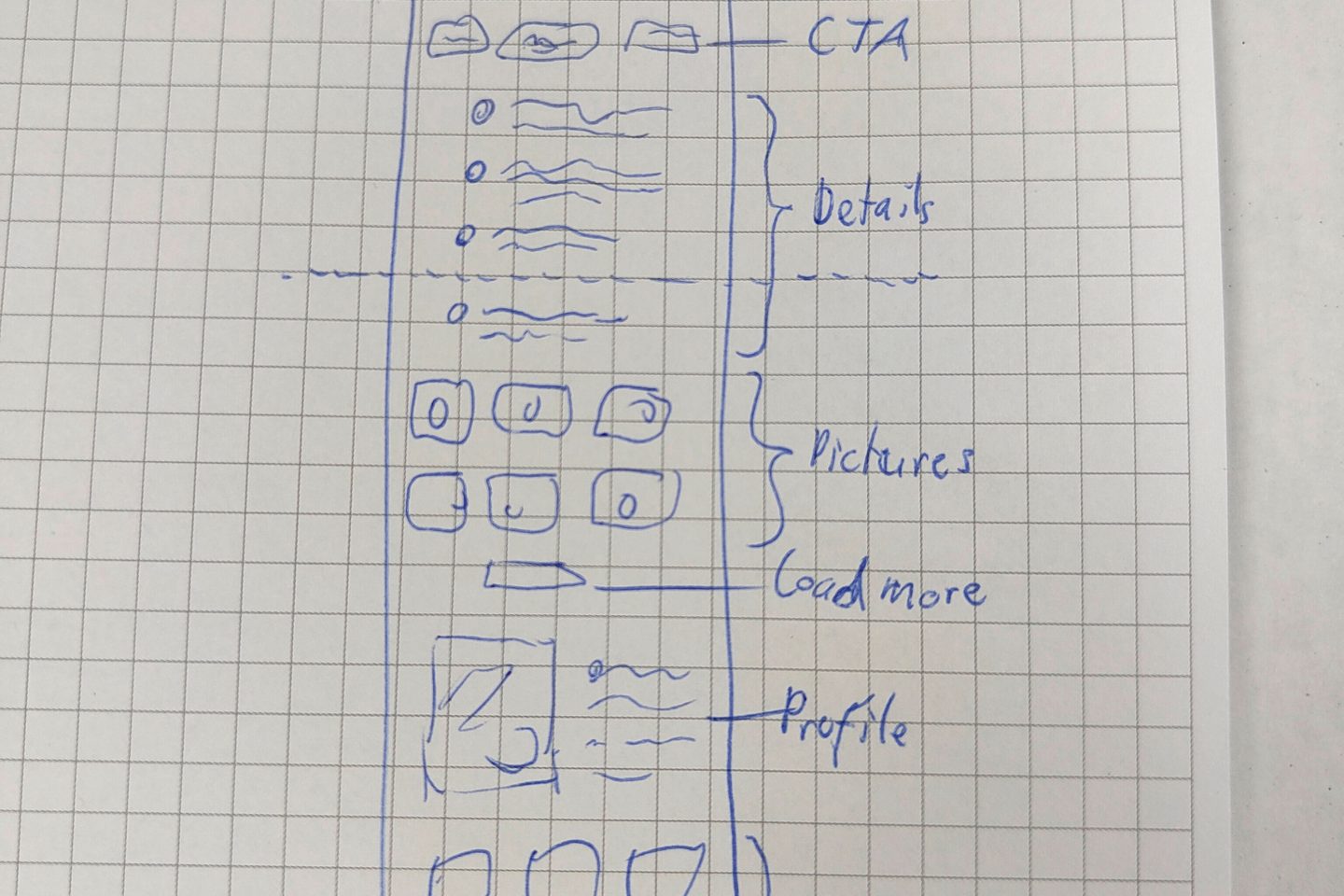
 Build the page in the order people meet itWrite the HTML in the order a person should meet it. Place it with CSS, and add script only after the page already works.
 Keep a component inside its boundaryA reusable part takes named inputs and emits named outcomes. The page passes values between parts. The part does not edit the page.